Woodworking hand plane tools are essential in every craftsman’s toolkit. Used for shaping, smoothing, and refining wood surfaces, the woodworking hand plane has remained a staple despite advances in modern power tools. Whether you’re flattening rough lumber or achieving a glass-smooth finish, this timeless tool provides unmatched control and finish that machines often can’t replicate.
Woodworking has been around for thousands of years, and one tool that’s stood the test of time is the hand plane. Used to smooth, flatten, and shape a piece of wood, it’s still a go-to choice for anyone serious about working with their hands—even in workshops packed with power tools.
What Is a Hand Plane?
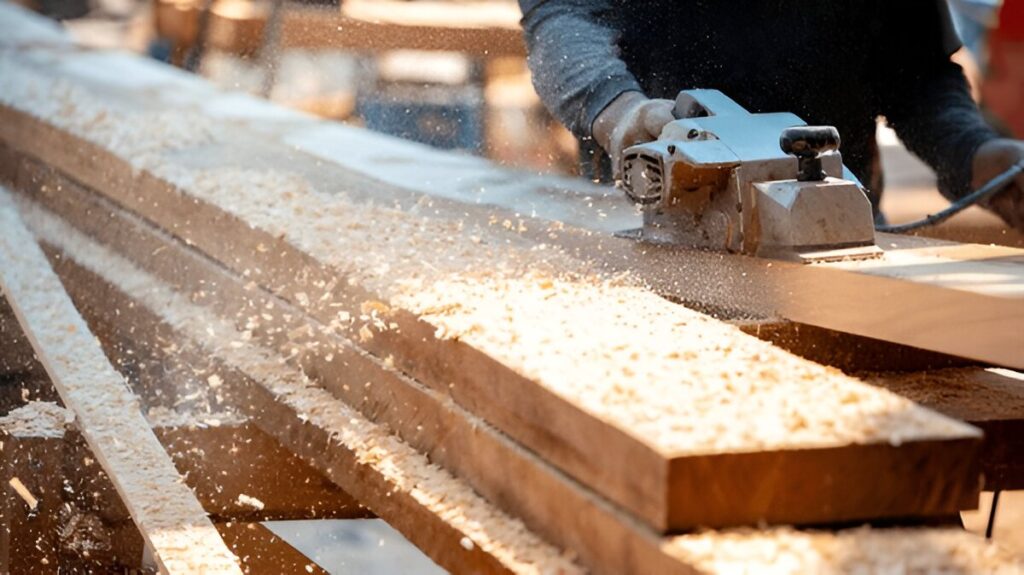
A hand plane is a manual tool that shaves thin layers from a piece of wood. It has a flat sole, a sharp blade (or iron), and a handle to push it forward. As the blade slices into the wood, it levels high spots, smooths rough areas, and shapes edges with control that most power tools can’t match.
Woodworkers often reach for a hand plane when they want to:
- Smooth rough boards
- Adjust tight joinery
- Level uneven surfaces
- Trim edges or ends
- Refine the fit of a joint
A good hand plane, especially when sharpened and adjusted right, can take the place of sandpaper and deliver a cleaner, more natural finish.
Types of Woodworking Hand Planes
Different hand planes serve different jobs. These are some of the most useful:
Jack Plane
Around 14 inches long, this all-purpose plane is used to flatten, square, and prep wood before final smoothing.
Block Plane
This smaller plane fits in one hand and works well on end grain, tight spots, or for chamfering edges. It’s a favorite for finish carpentry and detail work.
Jointer Plane
Long and straight—up to 24 inches—this tool is used to straighten the edges of boards before gluing them up. Essential for making wide, flat panels.
Smoothing Plane
Used after rough shaping, this plane removes fine shavings and leaves a polished surface ready for finish.
Rabbet Plane
Built to cut clean grooves along the edge of a board. It’s often used in cabinetmaking and door fitting.
Shoulder Plane
Slim and precise, it cleans up joinery, especially tenon shoulders, with accuracy right up to the edge.
Whether you’re flattening a large panel or tweaking a small joint, there’s a hand plane for the task.
How to Use a Hand Plane
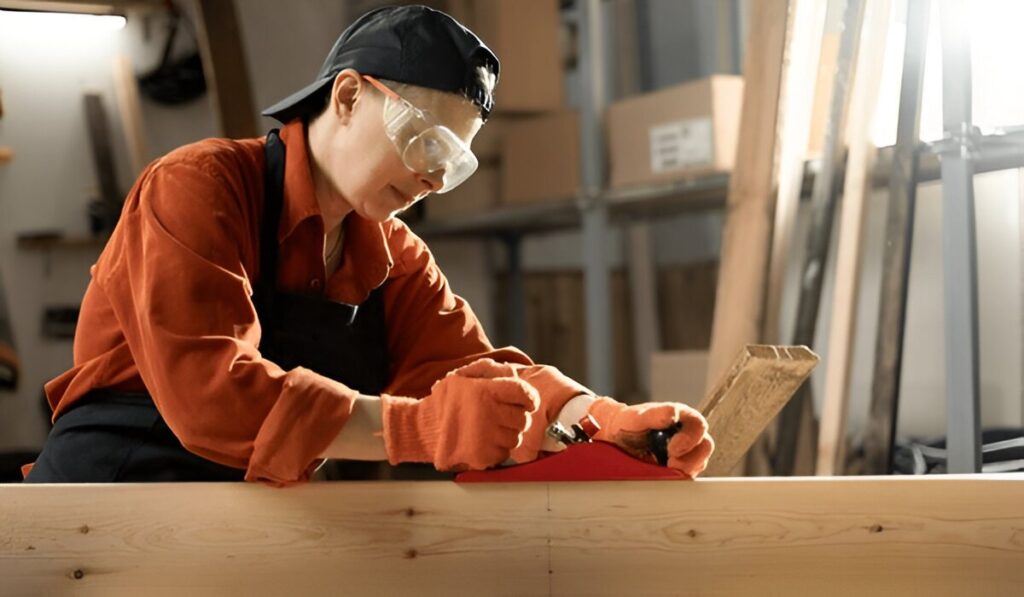
Using a hand plane well takes a bit of feel and practice, but the results are worth it.
Blade Setup
Keep the blade razor-sharp and set shallow—just enough to take a thin curl of wood.
Clamp the Piece of Wood
Secure your work to the bench. Movement will throw off your cut and could cause gouging.
Planing Tips
- Grip the plane firmly with both hands
- Start at one end, keeping the sole flat
- Push with even pressure through the stroke
Check Your Work
Use a straightedge or square often to track your progress. Avoid overdoing one area.
Finish Smooth
Use light strokes at the end for a glassy finish. A dialed-in plane can leave the wood smoother than sanding.
Benefits of Using a Traditional Hand Plane
- Quiet and Dust-Free: No loud noise or airborne sawdust—just clean, quiet work.
- More Control: Unlike power tools, hand planes give you direct feedback through your hands.
- Better Finish: Planing cuts wood fibers cleanly instead of tearing them, leaving a natural surface.
- Skill-Based: Using a hand plane helps you read the wood and work with its grain.
- Energy-Free: No batteries or cords—just a sharp edge and a steady push.
Maintaining Your Hand Plane
To keep your hand plane in top shape:
- Keep the iron sharp with regular honing
- Store it dry and lightly oiled to stop rust
- Flatten the sole now and then using sandpaper on glass or granite
- Check that everything’s tight before use
Brands like Lie Nielsen make planes that, with proper care, will last for decades and still perform like new.
Why Every Woodworker Needs One
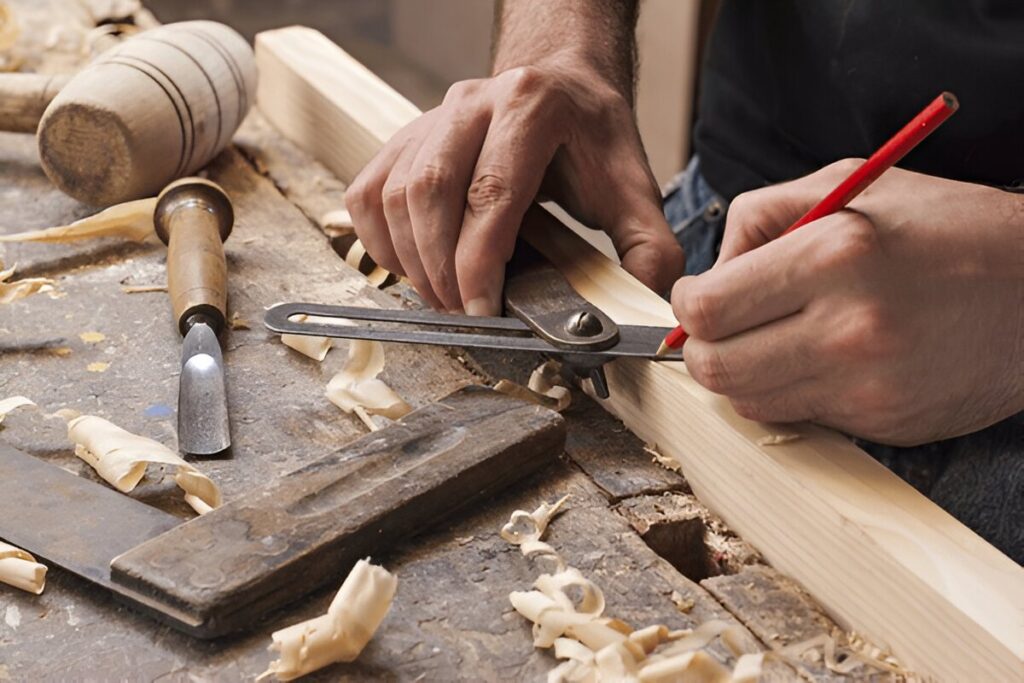
Even with a full lineup of power tools, a hand plane fills a gap no machine can. It’s perfect for subtle shaping, fixing small flaws, or finishing a piece of wood with precision. Ask experienced woodworkers and they’ll tell you—there’s a feel and rhythm to using a hand plane that no tool can replace.
The Bottom Line
A hand plane isn’t just an old-school tool—it’s one that still earns its place in modern shops. Whether you’re roughing out boards, fine-tuning joints, or finishing a surface, it gives you unmatched control and finish. Brands like Lie Nielsen continue to build them with precision and care, keeping the tradition alive.
If you’ve never used one, you’re missing out. Find a good block plane or jack plane, learn how to use it right, and you’ll see why woodworkers still swear by them.