
Keeping your hand tools and power tools clean isn’t just about looks. It keeps them safe to use, helps moving parts work better, and prevents early wear. Whether you’re into home repairs, woodworking, or gardening tools, regular cleaning and care go a long way.
Why Tool Cleaning Should Be a Habit
Cleaning and maintaining your tools can:
- Keep tools from rusting
- Help moving parts run smoothly
- Lower the risk of breakdowns or accidents
- Boost the resale value if you ever sell them
When dirt, oil, or moisture sits too long, it can cause damage. A good tool cleaning routine saves money and avoids delays from tool failure.
What You’ll Need for Cleaning
Grab your cleaning kit before you start:
- Old toothbrush or wire brush
- Microfiber towels or lint-free cloths
- Can of compressed air or air compressor
- Hot water with mild dish soap
- White vinegar or a commercial rust remover
- Lubricants like WD-40 or 3-in-One oil
- Steel wool or non-scratch scrub pads
- Safety gloves and goggles
These help clean your tools thoroughly without scratching or damaging them.
How to Clean Hand Tools Properly
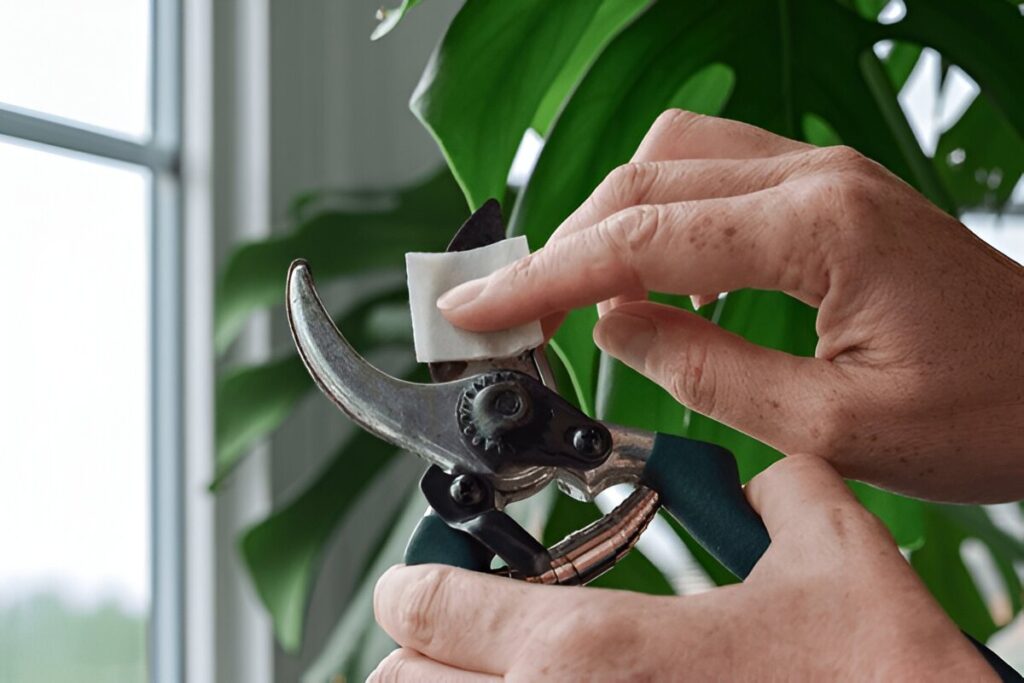
Start with a damp cloth to wipe off loose dirt. If there’s grease, use hot water and dish soap. For tools like screwdrivers, wrenches, or garden shears:
- Use a wire brush or old toothbrush to get into grooves
- Dry the tool right away to stop rust
- Use white vinegar or a rust remover for any corrosion
- Lightly scrub with steel wool if needed, then rinse and dry
- Finish with a light coat of oil on metal surfaces
For wooden handles, wipe them clean, smooth any rough spots with sandpaper, and rub in linseed oil to keep them from cracking.
How to Clean Power Tools the Right Way
Before cleaning any power tools, unplug them or take out the battery. Never work on tools while they’re connected to power.
Here’s what to do:
- Blow out dust with compressed air or an air compressor
- Wipe the housing and surfaces with a damp—not wet—cloth
- Clean vents and switches with a brush or cloth
- Remove rust on metal parts using vinegar or a rust remover, then apply oil
- Let all parts dry fully before using the tool again
Be careful not to get water near motors or battery contacts.
Maintaining Cordless Tools
Cordless power tools need special care:
- Take the battery out before cleaning
- Wipe the tool with a cloth and brush out the vents
- Clean battery contacts using an alcohol swab
- Never wash battery packs or get them wet
- Store batteries in a dry place, away from heat and cold
Clean batteries and dry storage extend the tool’s lifespan.
Tips for Removing Rust
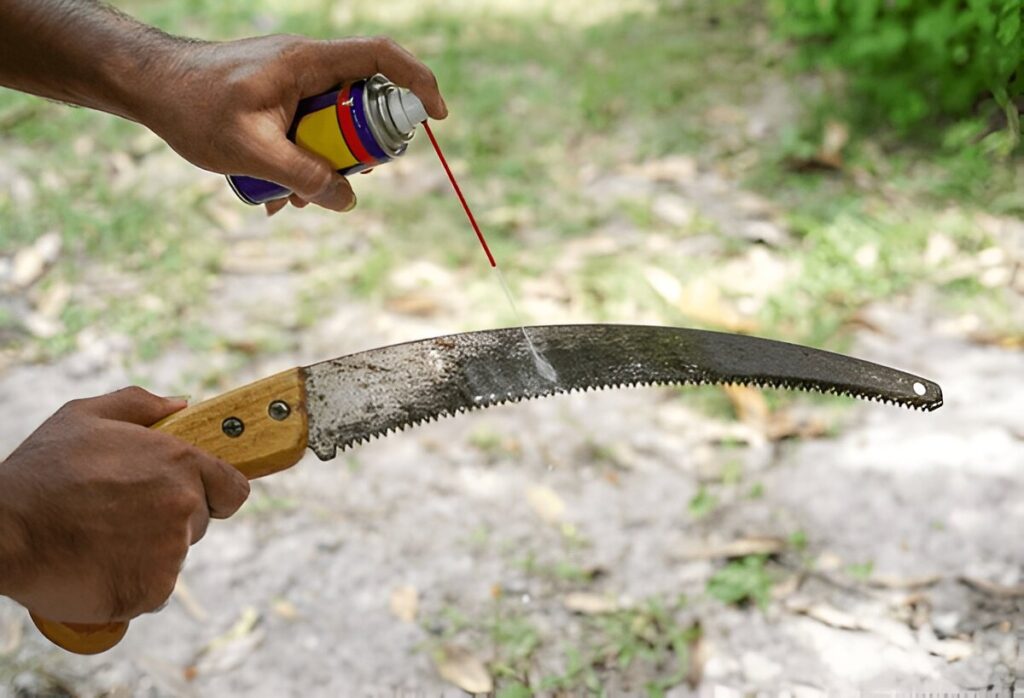
If you’re dealing with rust that won’t come off easily:
- Soak the metal part in white vinegar for a few hours
- Scrub gently using steel wool or a wire brush
- Rinse, dry, and coat the tool with a light oil
- Repeat as needed, but avoid damaging the tool’s surface
For heavy corrosion, a commercial rust remover may work faster.
When and How Often to Clean
To keep your gear in good shape:
- After every use: Wipe off dirt and moisture
- Weekly or monthly: Deep-clean tools used often
- Seasonally: Inspect, clean, and oil tools before long-term storage
This kind of regular cleaning helps avoid rust and keeps tools performing like they should.
Final Tips for Tool Longevity
- Store your tools in a clean, dry spot
- Keep them off damp concrete
- Use toolboxes, drawers, or wall racks for organization
- Add silica gel packs to stop moisture from building up
A small amount of effort makes a big difference. Clean tools don’t just last longer—they’re safer and easier to work with.
Summary
Knowing how to clean your tools properly keeps your hand tools, power tools, and gardening tools ready for the next job. You don’t need fancy equipment—just some basic supplies, a little time, and good storage habits. Stick to a routine, and you’ll avoid removing rust more than you have to, protect moving parts, and spend less on replacements.