Not every job needs a power cord or a high-speed motor. In fact, workers accomplish some of the most reliable tasks with basic hand tools—no charging, no noise, just solid results. Whether you’re working on home repairs, simple builds, or starting your first DIY projects, a solid set of hand tools is the best place to start.
Before you think about tool batteries, charging docks, or power tools, it helps to get used to using your hands. This guide will help you understand the must-have tools, their uses, and how to build a tool box that makes sense for beginners.
What Are Hand Tools?
Hand tools are any tools that don’t need electricity or fuel to work. You operate them manually—using your grip, pressure, and motion. People use them for everything from basic home repairs to auto work, woodworking, and more.
Unlike power drills or saws, hand tools give you more control, work well in tight spaces, and are ideal for detailed or careful tasks. They also come without the worry of tool batteries running out in the middle of a job.
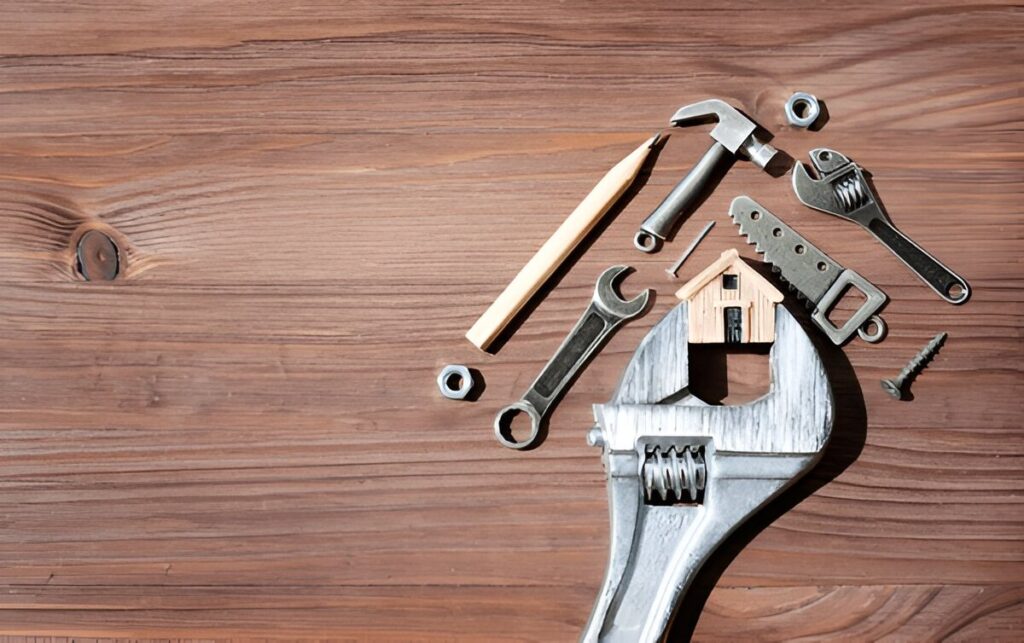
Common Types of Hand Tools
If you’re starting building your first tool set, here’s a breakdown of what to look for:
Cutting Tools
These are used to trim, slice, or shape materials.
- Utility knives: Great for cutting drywall, rope, vinyl, and packaging.
- Handsaws: Ideal for cutting lumber or plastic pipes in DIY projects.
- Snips: Work best for cutting sheet metal or flashing.
Striking Tools
They apply controlled force where it’s needed.
- Claw hammer: Drives nails and pulls them out. A toolbox essential.
- Mallet: Useful for hitting wood without leaving marks.
- Punches: Help start holes or remove pins in mechanical work.
Fastening Tools
Used for tightening or loosening screws, nuts, and bolts.
- Screwdrivers: Keep both flathead and Phillips in your tool set.
- Wrenches: Adjustable ones are great for different bolt sizes.
- Allen keys: Required for flat-pack furniture, bikes, and appliances.
- Pliers: Used to grip, bend, or hold wires and small parts.
Measuring and Marking Tools
Accurate measurements are key in any project.
- Tape measure: Vital for framing, spacing, and layout.
- Square: Keeps your cuts and corners at perfect 90° angles.
- Level: Makes sure things like shelves or tiles aren’t crooked.
- Marking tools: Pencils or scribes for layout before cutting.
Holding Tools
Used to keep your material stable and your hands free.
- Clamps: Essential during gluing or drilling.
- Vises: Great for bench work where stability is everything.
- Pliers: Often double as a holding tool in tight spaces.
Shaping Tools
Used to refine surfaces and shape materials.
- Files and rasps: Smooth out wood or metal edges.
- Planes: Shave down wood for cleaner finishes.
- Sanding blocks: Give you control when smoothing surfaces.
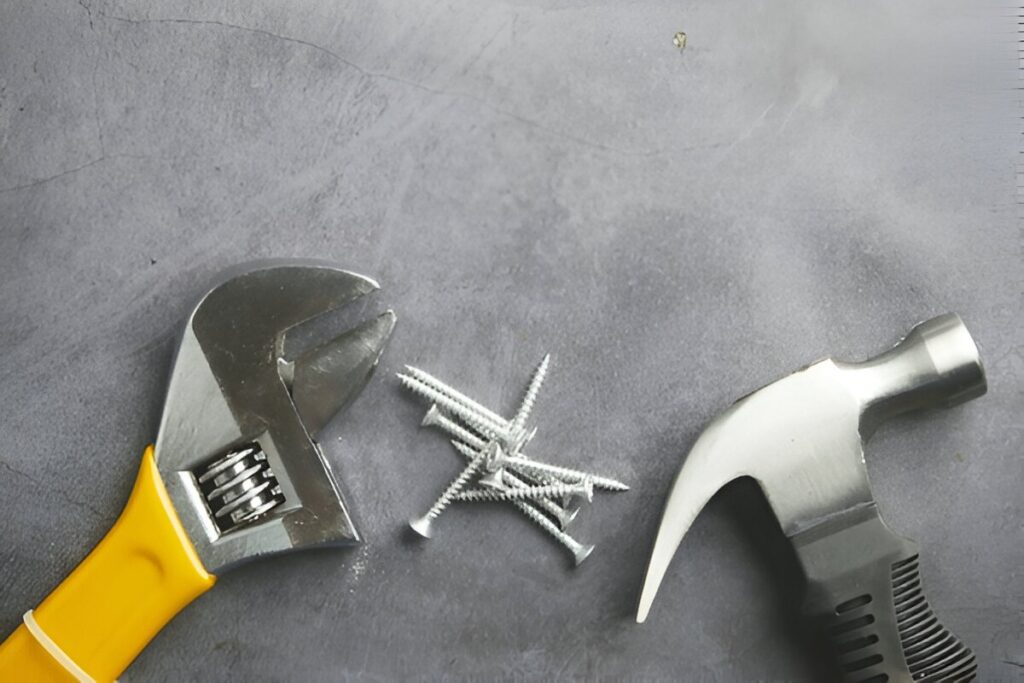
Why Hand Tools Still Matter
With the rise of power drills, multi-tools, and heavy saws, it’s easy to think hand tools are old-fashioned. But they are not. Here’s why they still earn a spot in every tool box:
- No batteries needed: You’ll never stop mid-task to charge tool batteries.
- Work in tight spaces: Smaller, quieter, and easier to maneuver.
- More control: Great for fine-tuning and detailed tasks.
- Safer for beginners: Fewer moving parts, less risk of injury.
- Less maintenance: No motors, no circuits—just clean, simple tools.
For quick tasks like fixing a doorknob, trimming wood, or measuring for a shelf, hand tools are often faster. They are easier to use than heavy power tools.
Building a Beginner Tool Box
If you’re just starting stocking your toolbox, focus on the basics. These tools are affordable, useful, and cover most common home repairs:
- Claw hammer
- Flathead and Phillips screwdrivers
- Adjustable wrench
- Needle-nose pliers
- Utility knife
- 25-foot tape measure
- Handsaw
This starter set is great for hanging pictures, fixing cabinet hinges, and assembling furniture. You can also use it for many simple DIY projects without power tools.
Over time, you’ll know when to upgrade to more heavy duty gear or add specialty tools.
Hand Tools vs. Power Tools
No se trata de que uno sea mejor; se trata de saber cuándo usar cada uno.
Use hand tools when:
- You’re working in tight spaces
- You need accuracy and control
- The job is small or one-time
- You don’t want to deal with charging or choosing a power setting
Use power tools when:
- You’re cutting through heavy duty materials
- You’re repeating the same motion many times
- You need more speed and torque
- You’re working on a substantial job with deadlines.
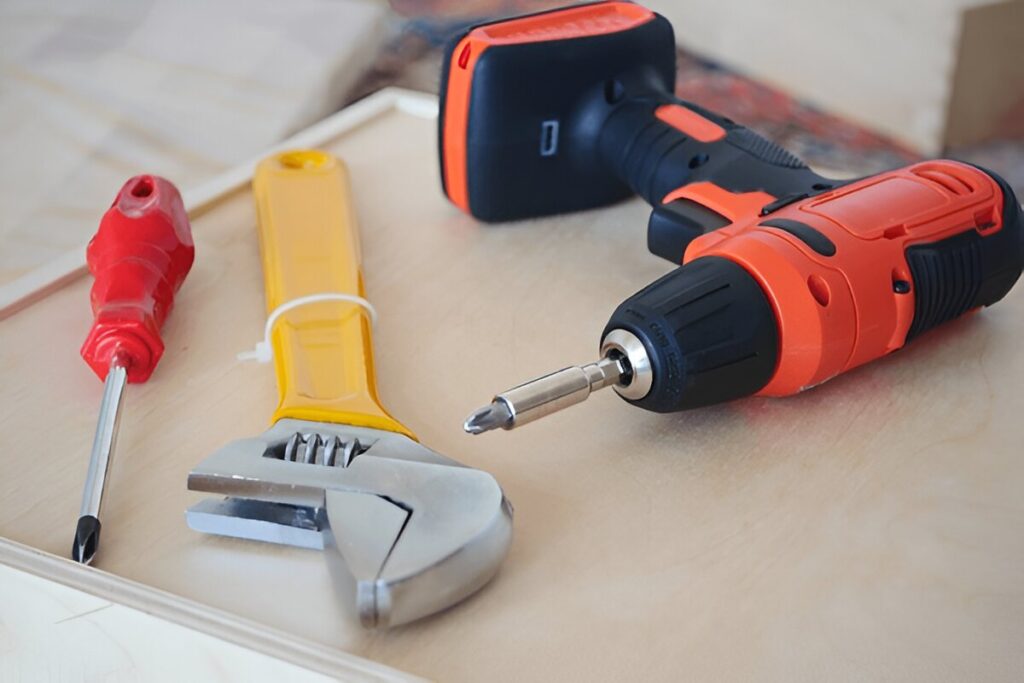
A balanced tool kit has both. You’ll use a screwdriver for one job and a cordless drill for the next. It all depends on the task.
How to Maintain Your Hand Tools
With a little care, you can make hand tools last a lifetime—some even get passed down. Here’s how to keep yours in good shape:
- Clean after each use: Wipe away dirt, dust, or moisture.
- Store them properly: Keep your tool sets in a dry, closed toolbox.
- Oil moving parts: Use light oil on pliers, hinges, or adjustable wrenches.
- Sharpen blades: A dull chisel or knife is unsafe and harder to use.
- Inspect wooden handles: Smooth or replace if they show cracks or splinters.
Staying organized also helps—you’ll spend less time searching and more time getting the job done.
Final Thoughts
Hand tools are the backbone of every tool box—for pros, weekend warriors, and beginners alike. They’re quiet, reliable, and always ready. Before worrying about tool batteries or choosing a power drill, make sure your hand tool set is ready to go.
Whether you are fixing things at home or building something new, hand tools help you work with control and confidence.