Cutting metal pipe doesn’t need to be loud, messy, or time-consuming. Using the right handheld tool can save you hours of frustration. This is true whether you are fixing plumbing, building a frame, or working with steel tubing.
So, what is a handheld tool for cutting metal pipes quickly? People call it a tube cutter—a small but powerful device that makes clean, straight cuts with very little effort.
Tube Cutter: The Small Tool That Gets it Done
A tube cutter is a compact, hand-operated tool designed specifically to cut through metal pipe—including copper, aluminum, and even thin-walled steel. It clamps around the pipe and uses a cutting wheel to score the surface. By rotating the tool around the pipe and gradually tightening it, you create a clean break with minimal burring. It’s fast, quiet, and doesn’t generate sparks or debris, making it ideal for tight spaces and indoor work.
If you’re looking for small metal cutting tools that don’t require power, the tube cutter is easily one of the most precise options for a clean cut.
How to Cut Metal Pipes at Home (With and Without Tools)
Wondering how to cut metal pipes if you don’t have a garage full of tools? Here’s a breakdown:
With Tools:
- Tube cutter: Best for small-to-medium pipes. Clamp it, rotate, tighten, and repeat.
- Heavy duty steel pipe cutter: Designed for thick, industrial-grade pipes. These are built with hardened cutting edges that slice through heavy duty steel quickly.
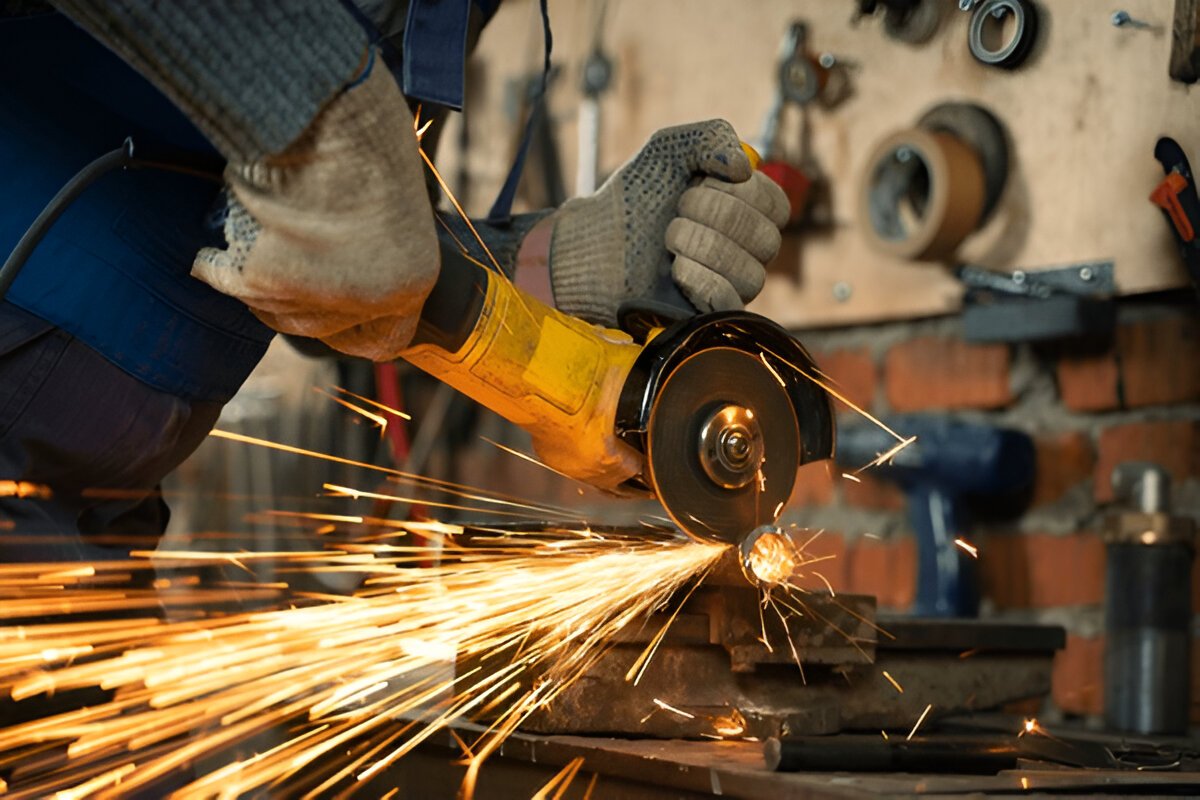
- Angle grinder: Great for cutting metal quickly when precision is less important. Pair it with a metal cutting blade and wear safety glasses—sparks fly.
- Oxy acetylene torch: This is firepower. Best for very thick or large-diameter pipes. Not for beginners or indoor use.
- Tin snips: Best for cut sheet metal, not pipe. Still worth keeping in your toolbox.
Without Tools:
How to cut metal pipe without tools or power? It’s tricky, but possible:
- Score with a steel file, bend until the pipe breaks.
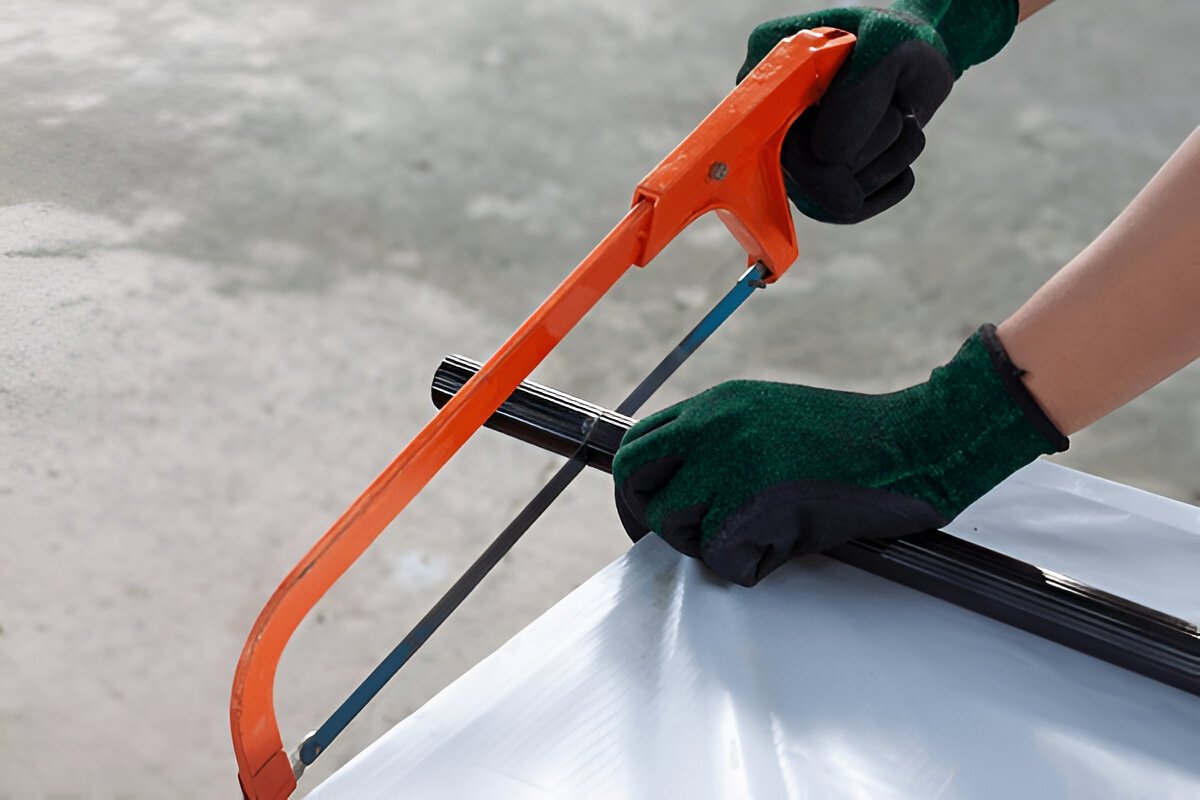
- Use a hacksaw (if you count that as low-tech).
- Find a hard edge and apply pressure until it snaps—but be careful. It won’t give straight cutting or clean cuts.
How to cut metal at home without tools is usually not ideal unless it’s emergency work. Investing in the right metal cutting tools list makes all the difference.
How to Use Pipe Cutters the Right Way
Learning how to use pipe cutters takes just a few steps:
- Measure and mark where you want to cut.
- Open the cutter and place the pipe in the groove.
- Tighten it slightly, rotate once around.
- Tighten again and keep rotating.
- Repeat until the pipe snaps with a clean edge.
This cutting process takes less than a minute for standard piping. It’s the go-to for any DIY project involving plumbing, automotive, or custom steel work.
Tool Used for Cutting Metal? Pick the Right One
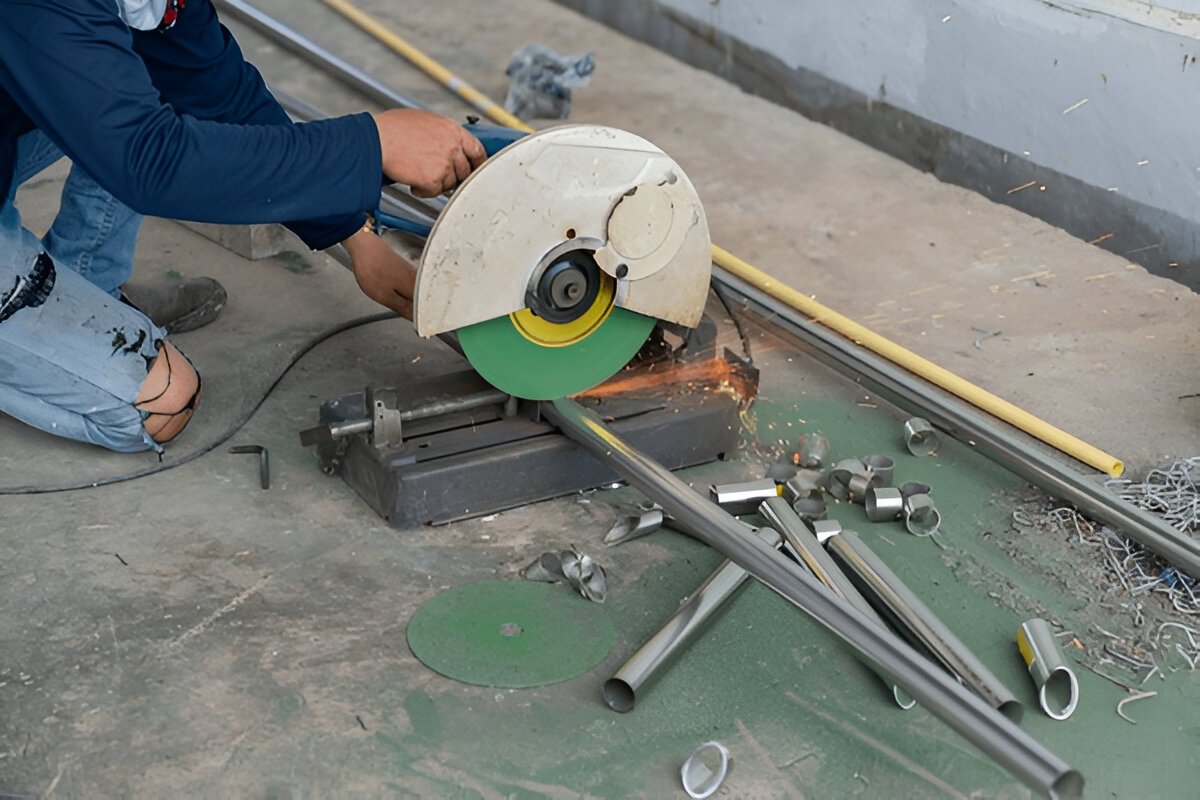
The tool used for cutting metal depends on what you’re cutting. If you need precise cuts, stick with a tube cutter or heavy duty steel pipe cutter. For thick steel or rigid pipe, try a cutting wheel or oxy acetylene torch. Power up with an angle grinder for fast work, but watch for heat and jagged edges.
Whether you’re trimming conduit or slicing through thick stainless, there’s a wide range of metal cutting tools to get the job done right.
FAQs
What is the fastest way to cut metal pipe?
An angle grinder with a metal cutting blade will slice through most pipes in seconds. Just make sure to wear safety glasses.
What is the tool suited in cutting metal pipes?
A tube cutter for small pipes, and a heavy duty steel pipe cutter for thicker metal. These tools offer clean cuts with minimal effort.
What saw is best for cutting metal pipes?
A reciprocating saw with a metal blade works well, but isn’t as clean as a pipe cutter.
How to cut metal pipe without a saw?
Use a tube cutter, hacksaw, or angle grinder. You can also try a torch for thick steel.
Looking for more expert advice and product guides on industrial cutting and hand tools? Check out Industrial-Tools-Hub for in-depth resources, tips, and updates.
Visit https://industrial-tools-hub.com/now and find exactly what you need to get the job done right.